


Harmonizing Birth: Nurturing the Spirit with Reiki & Tuning Forks
Introduction: Childbirth is a deeply transformative journey, a passage marked by the ebb and flow of energies—both within the body and in the surrounding environment. In the midst of this sacred transition, the ancient practices of Reiki and tuning forks emerge as powerful allies, offering a symphony of benefits that resonate with the body's natural rhythms. In this blog, we delve into the profound benefits of integrating Reiki during pregnancy and childbirth and tuning forks, specifically along the kidney meridian, during childbirth, illuminating how these modalities harmonize the body, mind, and spirit in preparation for the miracle of new life.
Reiki: Channeling Universal Life Energy: At its core, Reiki is a practice of channeling universal life energy to promote healing and balance within the body. During childbirth, Reiki practitioners serve as conduits for this healing energy, gently placing their hands on or near the body to facilitate the flow of chi—the vital life force that animates all living beings. Along the kidney meridian, Reiki works to restore balance and vitality, supporting the mother as she navigates the physical and emotional challenges of labor. By harmonizing the flow of energy, Reiki promotes relaxation, reduces pain, and fosters a deep sense of calm, empowering mothers to embrace the birthing process with grace and resilience.
Tuning Forks: Resonating with Harmony: Tuning forks are precision-crafted instruments that emit specific frequencies of sound, resonating with the body's energy centers to restore balance and alignment. When applied along the kidney meridian—a key pathway of energy according to Traditional Chinese Medicine—tuning forks create a symphony of vibrations that penetrate deep into the body, releasing blockages and promoting the free flow of chi. As the vibrations reverberate through the meridian, tension melts away, and the body enters a state of profound relaxation and harmony, preparing the mother for the sacred journey of childbirth.
Integration: Bridging the Physical and Energetic Realms: When Reiki and tuning forks are integrated along the kidney meridian during childbirth, a profound synergy unfolds—a harmonious convergence of energy and intention that nurtures the body, mind, and spirit. As Reiki practitioners channel healing energy, tuning forks amplify its potency, creating a multi-dimensional healing experience that addresses the root causes of imbalance. Together, Reiki and tuning forks work in harmony to release stagnant energy, restore vitality, and promote a sense of well-being that permeates every aspect of the birthing process.
Benefits for Mother and Baby (Reiki and Childbirth): The benefits of integrating Reiki and tuning forks along the kidney meridian during childbirth are manifold. For mothers, these practices offer natural pain relief, reduce anxiety, promote relaxation, and enhance feelings of empowerment and connection. For babies, the harmonious energy field created by Reiki and tuning forks creates a peaceful environment that supports a gentle and calm entry into the world. Beyond the birthing room, the benefits of these practices extend into the postpartum period, promoting healing, bonding, and overall well-being for both mother and baby.
Conclusion: As mothers embark on the profound journey of childbirth, the healing synergy of Reiki and tuning forks along the kidney meridian emerges as a guiding light—a source of comfort, support, and empowerment. By embracing these ancient practices, mothers and babies alike are enveloped in a cocoon of nurturing energy, allowing them to navigate the birthing process with grace, ease, and harmony. In the embrace of Reiki and tuning forks, the miracle of childbirth unfolds as a sacred dance—a symphony of life, love, and healing along the radiant pathway of the kidney meridian.
By Shani Riviere

Humans Draw Energy From Each Other the Same Way Plants Do
Humans Drawing Energy from Each Other: A Reflection of Nature's Symbiotic Dance
When we think of energy exchange, our minds often wander to the biological marvels of nature, where plants harness sunlight through photosynthesis to sustain themselves. This process isn’t just isolated to the botanical world; it offers a blueprint for understanding how we, as humans, draw energy from one another in ways that are just as profound, though less visible.
The Concept of Human Energy Exchange
Humans are complex beings composed of energy—both physical and emotional. We experience energetic interactions daily, whether it's in conversation, shared space, or simple eye contact. In a sense, each encounter is a form of energy exchange, and, like plants drawing from the sun, we gather energy, strength, and healing from the people around us.
This concept, known in some circles as "energy exchange," acknowledges that humans, much like plants, are part of an ecosystem of shared energies. This energetic give-and-take forms a significant part of our emotional and mental health, shaping our moods, relationships, and resilience.
Symbiotic Energy in Nature: An Example to Follow
In nature, symbiosis is the mutual exchange of benefits, like how plants provide oxygen while animals release carbon dioxide. We, too, have symbiotic relationships, creating mutual benefit through the transfer of energy. Consider how you might feel uplifted in the presence of a supportive friend or drained after interacting with a negative person. This is your energetic system in motion, just as plants exchange gases and nutrients with their environment.
This mutual exchange of energy is most evident in the field of empathy. Empaths, or people sensitive to others’ emotions, often report feeling both the positive and negative energy of those around them. Like plants relying on sunlight or water, empaths (and many of us) rely on positive interactions to fuel their spirit.
The Roles of Energetic “Pollinators” in Our Lives
Much like bees transferring pollen, we have "pollinators" within our social circles—people who bring energy, warmth, and inspiration to us and, in turn, benefit from the positive energy we provide. These individuals bring joy and positivity, helping us grow in much the same way that bees and butterflies foster the flourishing of flowers.
We can all play the role of pollinators by choosing to engage in uplifting conversations, offering support, or simply being present with others. By doing so, we’re not only nourishing ourselves but also creating an environment where everyone can thrive.
Energetic Boundaries: Avoiding Energetic Depletion
However, just as plants can struggle in environments lacking nutrients or sunlight, humans can suffer when energy is continuously drained without replenishment. Some people may unintentionally (or sometimes intentionally) draw too much energy from others. To avoid “energetic depletion,” it’s essential to create boundaries to protect our energy reserves.
Practices like meditation, visualization, and grounding techniques help reinforce these boundaries. Taking the time to practice self-care and set limits allows us to stay balanced and recharged so that our energy can be shared without detriment to ourselves.
How to Tap into Positive Energy Sources
Much like plants turning toward sunlight, we can direct ourselves toward sources of positive energy. Here are a few practical ways to foster energy exchanges that uplift rather than drain:
Seek Out Energizing Connections: Identify people who make you feel positive and energized. Foster relationships with those who provide encouragement and support.
Practice Mindful Listening and Presence: Being fully present with others can enhance the quality of the energy exchange, creating a fulfilling connection.
Cultivate Spaces for Mutual Growth: Engage in communities and spaces where people are open to sharing and exchanging positive energy. This can be through group activities, hobbies, or supportive groups that encourage mutual growth.
Set Boundaries with “Energy Vampires”: Just as plants move away from harmful shadows or excessive heat, don’t be afraid to protect your energy by setting boundaries with those who drain you.
Conclusion: Thriving in the Ecosystem of Humanity
Just as plants thrive through symbiotic relationships in nature, humans, too, are part of an ecosystem where energy exchange is essential to growth and well-being. By recognizing this connection, we can draw inspiration from nature’s blueprint to build healthier relationships, protect our energy, and help others flourish alongside us. By learning to nurture and respect the energy dynamics between us, we create an interconnected, flourishing environment where everyone benefits—a true reflection of the harmony found in nature’s design.
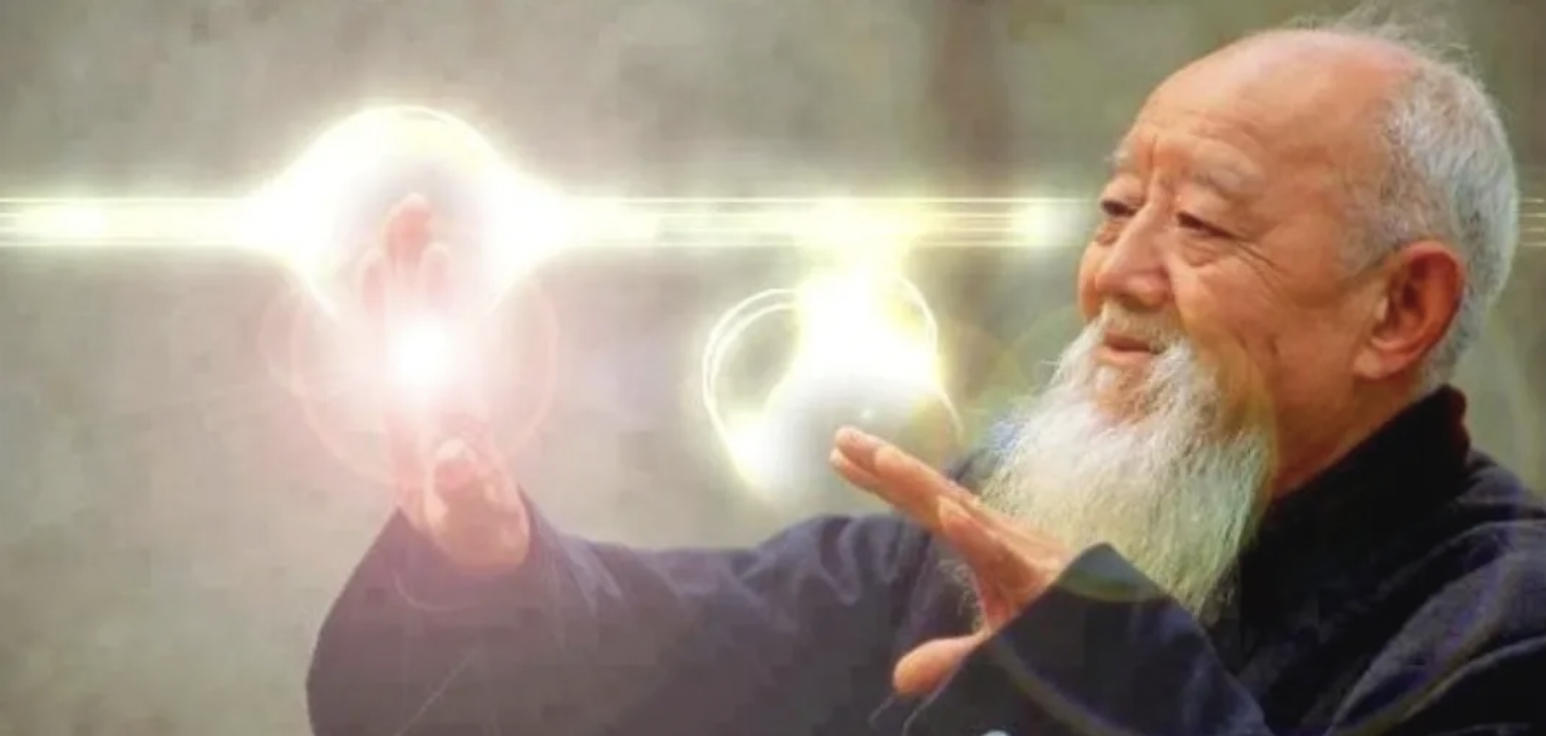
Everything Is Energy And We Control It With Our Thoughts
Everything is Energy: Harnessing the Power of Thoughts
In recent years, the concept that "everything is energy" has gained traction in both scientific and spiritual circles. This idea, rooted in quantum physics and ancient philosophies, posits that all matter and phenomena in the universe are manifestations of energy. Even more intriguingly, it suggests that our thoughts have the power to influence this energy, shaping our reality in profound ways. Let's delve into this fascinating topic and explore how we can harness the power of our thoughts.
Understanding the Energy Paradigm
At its core, the idea that everything is energy stems from the principles of quantum physics. According to quantum theory, particles at the smallest scales of existence behave as both particles and waves. This duality means that what we perceive as solid matter is, in fact, a dense concentration of energy vibrating at different frequencies.
Ancient wisdom traditions, such as those found in Eastern philosophies and indigenous cultures, have long held similar views. Concepts like "chi" in Chinese medicine, "prana" in Indian yoga, and the idea of a universal life force in various spiritual traditions all point to an understanding that energy is the fundamental building block of reality.
The Power of Thought
If everything is energy, it follows that our thoughts, which are produced by the brain, are also a form of energy. Neuroscience has shown that thoughts are essentially electrical impulses that travel through neural networks. These impulses generate electromagnetic fields, suggesting that our thoughts can extend beyond our physical bodies and interact with the surrounding energy fields.
The notion that our thoughts can influence reality is supported by several scientific and anecdotal observations:
The Observer Effect: In quantum physics, the observer effect refers to changes that the act of observation can make on a phenomenon being observed. This principle has been demonstrated in experiments such as the famous double-slit experiment, where particles behave differently when observed. This suggests that consciousness and observation can influence the behavior of energy at a quantum level.
Mind-Body Connection: The placebo effect is a well-documented phenomenon in which patients experience real improvements in their health after receiving a treatment that has no therapeutic effect. This demonstrates the power of belief and expectation, indicating that our thoughts can have tangible effects on our physical state.
Intention and Manifestation: Practices like meditation, visualization, and affirmations are based on the premise that focusing our thoughts and intentions can shape our reality. Many individuals report achieving personal goals and manifesting desired outcomes by consistently directing their thoughts towards those goals.
Harnessing Thought Energy: Practical Techniques
If our thoughts indeed have the power to influence energy and shape our reality, how can we harness this power effectively? Here are some practical techniques:
Mindfulness and Meditation: These practices help cultivate a focused and calm mind. By regularly meditating, we can train our minds to maintain a positive and clear state, making it easier to direct our thoughts intentionally.
Visualization: This involves creating vivid mental images of desired outcomes. By visualizing success, health, or happiness in detail, we align our energy with those outcomes, increasing the likelihood of their manifestation.
Positive Affirmations: Repeating positive statements about ourselves and our goals can help reprogram our subconscious mind, replacing negative thought patterns with empowering ones.
Gratitude Practice: Focusing on gratitude shifts our energy towards appreciation and abundance. This positive energy can attract more positive experiences into our lives.
Setting Clear Intentions: Being specific about what we want to achieve helps focus our energy. Writing down goals and regularly reviewing them keeps our intentions clear and directs our thoughts towards their realization.
The Interconnectedness of Energy
Understanding that everything is energy and that our thoughts can influence this energy fosters a sense of interconnectedness. It reminds us that we are not isolated beings but part of a vast, energetic web. Our thoughts, actions, and intentions ripple out, affecting not only our own lives but also the world around us.
This perspective encourages us to take responsibility for our thoughts and their impacts. By cultivating positive, compassionate, and loving thoughts, we can contribute to a more harmonious and vibrant world.
Conclusion
The idea that everything is energy and that we can control it with our thoughts is both empowering and humbling. It bridges the gap between science and spirituality, offering a holistic view of our existence. By harnessing the power of our thoughts, we have the potential to shape our reality and create a life of purpose, fulfillment, and connection. As we continue to explore and understand the profound nature of energy and consciousness, we unlock new possibilities for personal and collective transformation.